

This is part 3 of the series about bladder cancer (transitional cell carcinoma) and cancer of the urinary tract, also known as urothelial cancer. In this video, Dr Sue covers treatment options and prognosis.
Does This Urine Test Replace Invasive Biopsy For Transitional Cell Carcinoma In Dogs?: Vlog 110
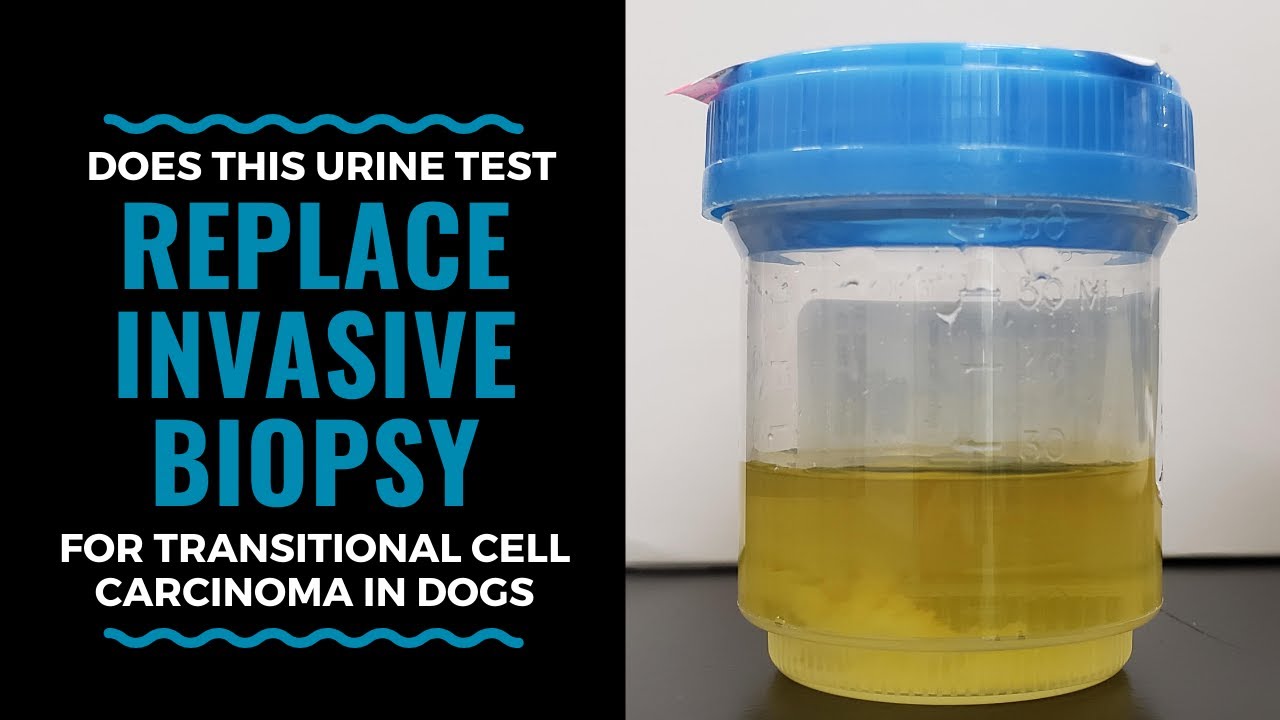
Does This Urine Test Replace Invasive Biopsy For Transitional Cell Carcinoma In Dogs? This is part 2 of my series about bladder cancer (transitional cell carcinoma) and cancer of the urinary tract, also known as urothelial cancer.
Symptoms of Bladder Cancer in Pets, How to Catch this Early: Vlog 109

Unfortunately bladder cancer – called transitional cell carcinoma (TCC) – is often found late as its symptoms look like a urinary tract infection (UTI) – bloody urine, straining, incontinence, frequent peeing. And many dogs also have a UTI so the symptoms temporarily improve on antibiotics.
Exciting New Mast Cell Tumor Treatment for Dogs: VLOG 108
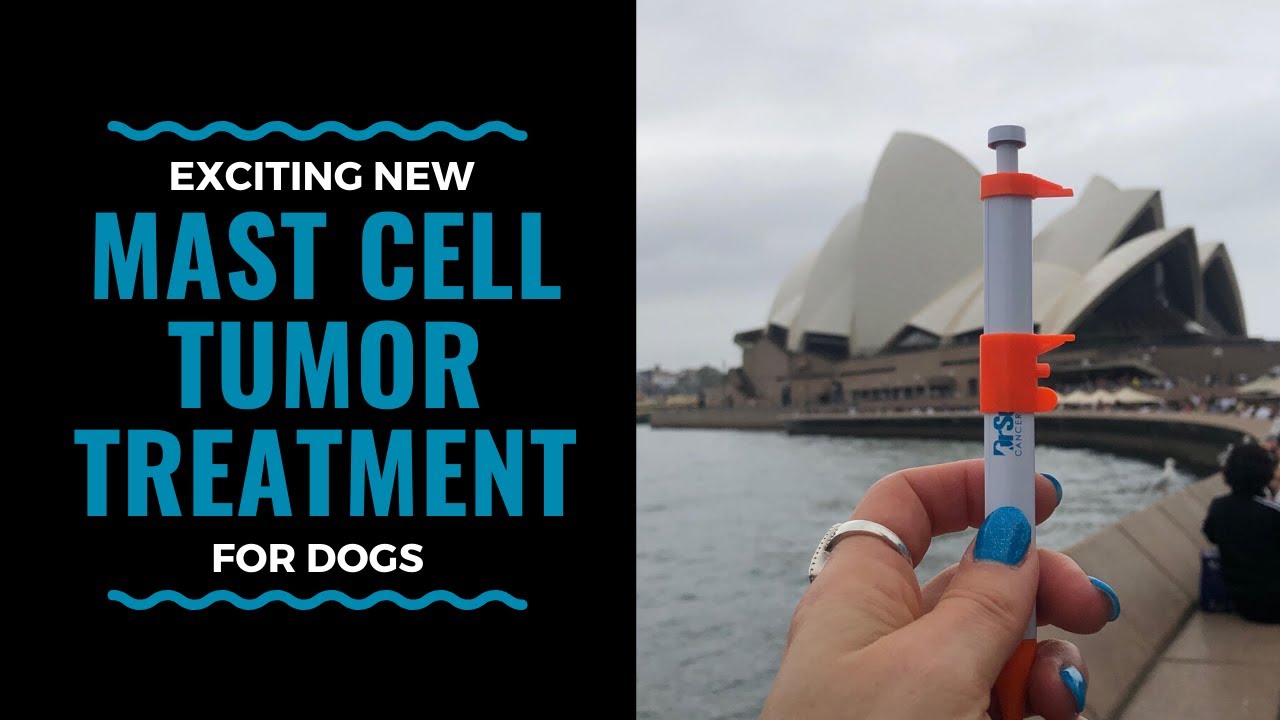
This is part 2 of my series about my trip to Australia and a new anti-cancer therapy for mast cell tumor called STELFONTA® (tigilanol tiglate).
Promising New Cancer Treatment For Pets: Vlog 107
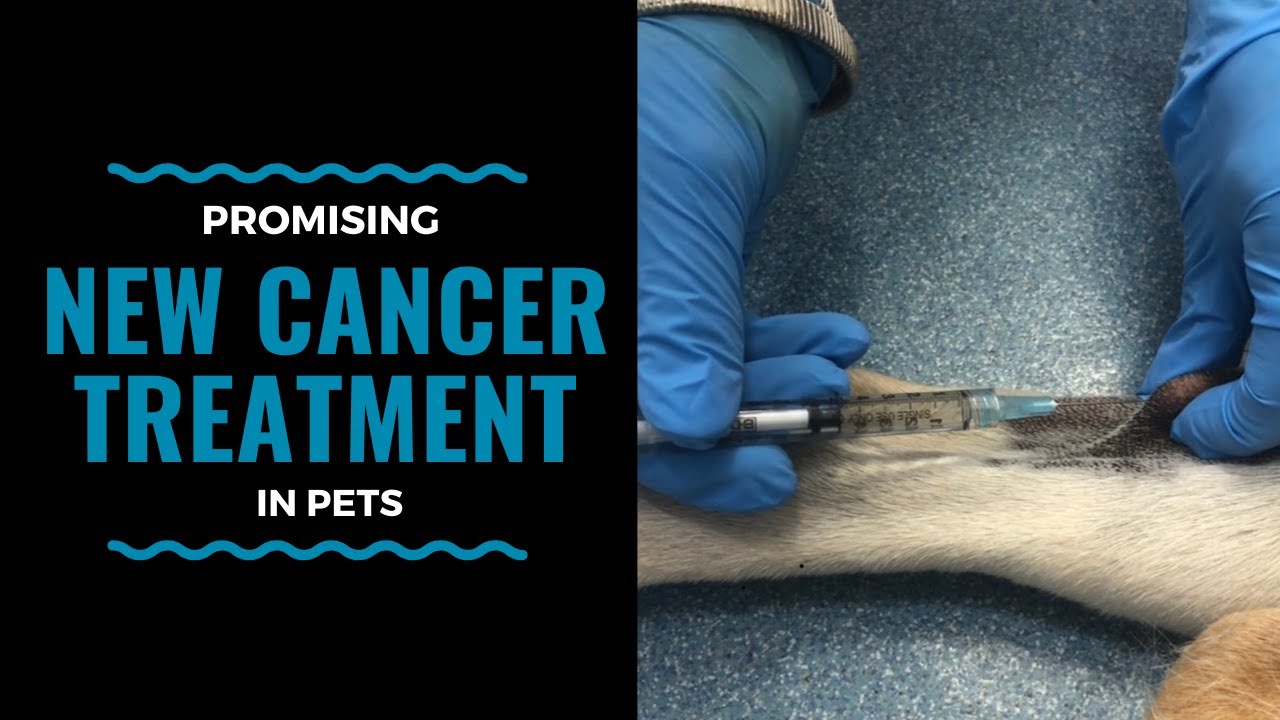
I am excited to share my trip to Australia and introduce STELFONTA® (tigilanol tiglate)! What is STELFONTA® (tigilanol tiglate)? It is a new intratumor anticancer agent for mast cell tumors in dogs. It is isolated from the seed of Fontainea picrosperma, or the blushwood fruit, which is only found in the rainforest of Australia. It is a Protein Kinase C activator and stimulates rapid tumor destruction and site healing with good cosmetic outcome usually within 28 days. It causes direct oncolysis on the first day, then a tumor vascular necrosis and slough on day 4 and tumor destruction on day 7. There is a defect that heals typically without antibiotics and without bandage and intervention by day 28.
Dr. Sue on ‘Talking Animals with Duncan Strauss’
